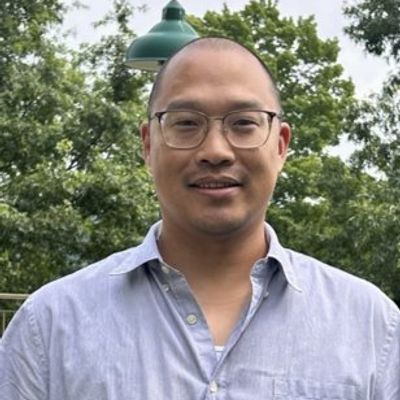
Peter Koo is an Associate Professor at the Simons Center for Quantitative Biology, Cold Spring Harbor Laboratory, where he develops machine learning methods to study gene regulation and biological sequence function. His research builds and interprets deep learning models that link DNA and protein sequence to molecular and cellular phenotypes, with an emphasis on interpretability, generalization, and mechanistic insight. By moving beyond black-box prediction, his work aims to produce computational frameworks that yield testable hypotheses and mechanistic understanding in regulatory genomics and cancer biology.
SECOND SESSION
Prof. Sangwoo Kim
Genetic Mutations in Human Disease: From Mendelian Inheritance to Somatic Mosaicism
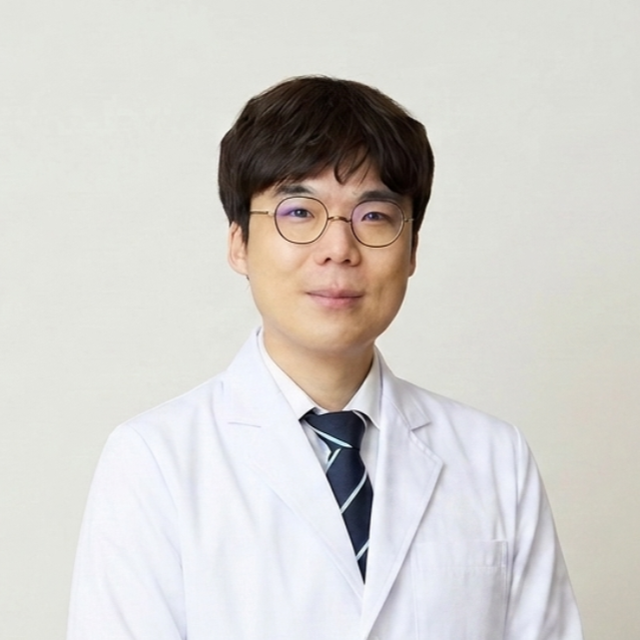
Sangwoo Kim, Ph.D. is a Professor in the Department of Biomedical Systems Informatics at Yonsei University College of Medicine, where he directs the Translational Genome Informatics Laboratory (TGIL). His research integrates computational biology, genomics, and medicine to uncover the genetic mechanisms underlying human disease through the development of innovative analytical methods and large-scale genomic studies. Dr. Kim is internationally recognized for his contributions to somatic mosaicism and rare variant detection. He has developed widely adopted computational methods for next-generation sequencing analysis, including Virmid, one of the pioneering algorithms for somatic variant detection, and RePlow, a highly accurate framework for detecting ultra-low-frequency somatic mutations. His group has also established benchmark standards for mosaic variant calling, providing practical guidelines that have become important references for the genomics community. His research has revealed fundamental insights into human genetic diseases and cancer, including the first identification of the genetic basis of spina bifida through de novo mutations published in Nature. More recently, his laboratory has advanced the understanding of developmental somatic mosaicism as a key mechanism underlying human disease susceptibility. His work has appeared in leading journals including Nature, Nature Methods, Nature Communications, Genome Biology, Nucleic Acids Research, Journal of Clinical Oncology, and Journal of Hepatology.
THIRD SESSION
Prof. Yayoi Natsume
Transforming Clinical and Omics Data into Actionable Knowledge for Drug Discovery and Preventive Healthcare
Google Scholar
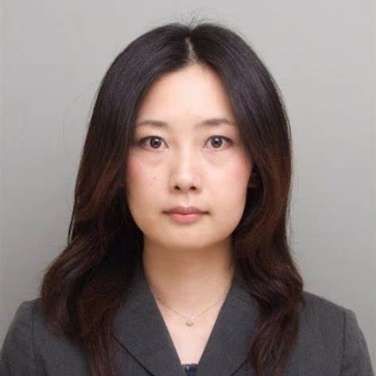
Dr. Yayoi Natsume-Kitatani is the Director of the AI Center for Health and Biomedical Research (ArCHER) and Project Leader of the Laboratory of Bioinformatics at the National Institutes of Biomedical Innovation, Health and Nutrition (NIBN) in Japan. She earned her Ph.D. from the University of Tokyo in 2008. Following her doctorate, she was a postdoctoral fellow at the Bioinformatics Center, Institute for Chemical Research, Kyoto University, and in 2010 she became a PRESTO researcher at the Japan Science and Technology Agency. Since 2015 she has been affiliated with NIBN (formerly NIBIOHN), leading projects that apply machine learning and bioinformatics to accelerate drug discovery. She also holds concurrent appointments as a Visiting Professor at the Graduate School of Pharmaceutical Sciences and at the Institute for Protein Research, The University of Osaka. Her work centers on applying machine learning to clinical and omics data to extract actionable knowledge. She is a member of The Engineering Academy of Japan and a Fellow of the International Academy of Artificial Intelligence Sciences.